Seedance 2.0 vs Sora 2:同一プロンプトで実施したAPI実機テスト(2026年版)
Seedance 2.0とSora 2を同一プロンプトでテストしました。実際の出力比較、フレーム単位の分析、APIコード、料金の詳細をご覧ください。
Seedance 2.0 vs Sora 2:同一プロンプトで実施したAPI実機テスト(2026年版)
「Seedance vs Sora」を比較した記事のほとんどは、スペック表の比較にとどまっています。私たちは両モデルに同じ3つのプロンプトを入力し、出力を記録してフレーム単位でスコアリングしました。動画の実証映像、コピー可能なAPIコード、そして選択を左右するかもしれない料金の詳細とともに、その結果をお伝えします。
Seedance 2.0(ByteDanceのSeedチームによる)は、今回のテスト全体で総合8.5/10を獲得し、Sora 2の8.0/10を上回りました。差がついた箇所は予想とは異なるものでした。
自分でテストしてみたい方へ: EvoLink APIキーを無料で取得して、下記の実際のプロンプトをそのまま使ってみてください。
テストのセットアップ
私たちは、異なる能力をストレステストするために3つのプロンプトを設計しました:
- スローモーション物理演算 — 磁器の花瓶が砕け散る(パーティクルダイナミクス、マテリアルレンダリング)
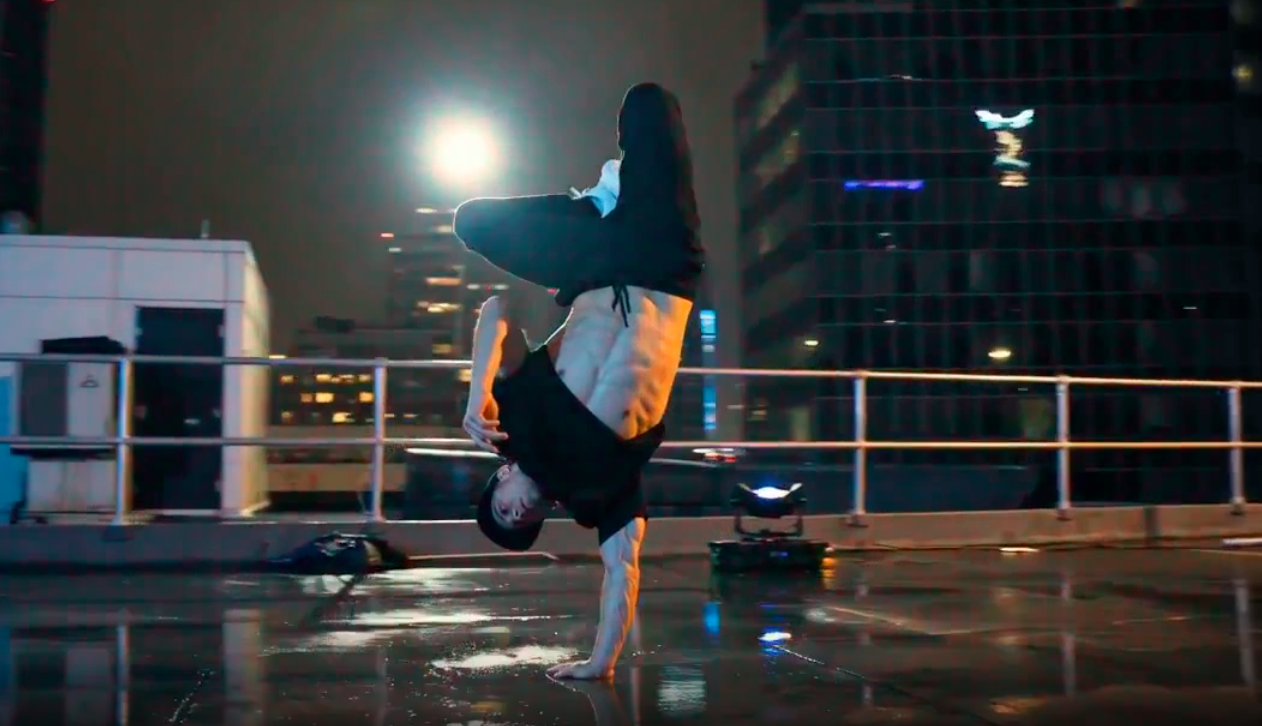
- ダイナミックな人間の動き — 夜の屋上でのブレイクダンス(解剖学、モーションブラー、ネオンライティング)
- 表情とライティング — 魔法の本を発見する老婦人(微細な表情、ボリュメトリックライト)
方法論: 各プロンプトは両方のAPIに一字一句そのまま送信しました。チェリーピッキングなし — 各モデルから最初に生成されたものを使用しました。動画は15秒、無編集です。スコアリングには6つの次元を使用:画質、プロンプト遵守度、物理/解剖学的リアリズム、ライティング、モーションの流動性、ディテールの豊かさ。
なぜこれが重要か: AI動画APIの上にプロダクトを構築する場合、どのモデルがあなたのユースケースに対応できるかを知る必要があります。スペック表では、Sora 2の人体解剖学が一時停止時に破綻することや、Seedanceの60fpsがスローモーションシーンを目に見えて滑らかにすることは分かりません。
既存の「Seedance vs Sora」記事はすべて、機能リストの比較や単一のチェリーピッキングされた例に依存しています。制御された同一プロンプトと体系的なスコアリングを使用したものはありません。それが、このテストが埋めるギャップです。
テストしなかったもの: 今回はテキストオーバーレイの品質、マルチシーンナラティブ、オーディオ同期の精度は評価していません。これらは独自の専用テストに値します。また、テキストから動画モードに限定しました — 画像から動画、動画から動画の比較は、フォローアップで計画しています。
| パラメータ | Seedance 2.0 | Sora 2 |
|---|---|---|
| 解像度 | 最大 4K (480p–4K) | 1792×1024 (~1080p) |
| フレームレート | 60fps | 30fps |
| 長さ | 15s | 15s |
| コーデック | H.264 | H.264 |
| オーディオ | AAC 44.1kHz ステレオ | AAC 96kHz ステレオ |
Seedanceは解像度をトレードオフして2倍のフレームレートを実現しています。Soraはフレームあたり約2.5倍のピクセルを提供します。どちらの選択も、異なるコンテンツタイプに対して実際の影響があります — 以下でご覧いただけます。
オーディオについての簡単な注記:両モデルとも同期されたオーディオ(対話、効果音、音楽)を生成しますが、サンプルレートが異なります。Soraの96kHz出力はCD品質を超えていますが、Seedanceの44.1kHzは標準的なCDオーディオと一致します。実際には、ほとんどの配信プラットフォーム(YouTube、TikTok、Instagram)は48kHz以下にダウンサンプリングするため、この違いが最終配信で問題になることはほとんどありません。
テスト1 — スローモーション物理演算(磁器の花瓶)
プロンプト:
A porcelain vase falls from a marble table in slow motion. Camera starts with a close-up of the vase wobbling on the edge, then follows it downward with a smooth tracking shot as it shatters on a stone floor. Fragments scatter in all directions. Dust particles float in warm afternoon sunlight streaming through a window. Shallow depth of field, 24fps cinematic look
Seedance 2.0
| 評価項目 | スコア | 備考 |
|---|---|---|
| 画質 | 8.5/10 | ほぼシネマティック。青白い磁器のテクスチャは鮮明で、大理石の木目もリアル |
| プロンプト遵守度 | 7.5/10 | 花瓶、大理石のテーブル、温かい光、浅い被写界深度 — すべて存在。塵の粒子は欠落 |
| 物理的リアリズム | 7.0/10 | 落下軌道は妥当だが、破片が密集しすぎ。モーションブラーの欠如が「浮遊」感を与える |
| ライティング | 9.0/10 | 窓からの午後の温かさが一貫している。釉薬の鏡面ハイライトが正確 |
優れている点: ボケと温かい光のレンダリングが本当に映画的に感じられます。60fpsで、スローモーションの落下はバターのように滑らか — 個々の破片をフレームごとに追跡でき、ジャダーは一切ありません。青白い磁器の釉薬が午後の光を捉える様子は、本物の青磁と全く同じで、花瓶が落下中に回転するにつれて自然に変化する柔らかい鏡面ハイライトがあります。
浅い被写界深度の実行は特筆に値します。背景要素は自然なグラデーションでぼけており、安価な実装で見られるハードエッジのマスクではありません。大理石のテーブルの金色のエッジトリムは前景で鮮明なままで、背後の部屋は説得力を持って落ちていきます。
弱点: 破片が硬い石の床への衝撃に対して十分に散乱していません。実際の磁器がその速度で石に当たると、破片は数フィート四方に飛び散るはずですが、ここでは狭い半径内に集まっています。プロンプトで特に要求された塵や陶器の粉末は見えません。落下する花瓶にもモーションブラーがなく、空中フレームでわずかな「浮遊」感を生み出しています。
Sora 2
| 評価項目 | スコア | 備考 |
|---|---|---|
| 画質 | 9.0/10 | より高解像度でより多くのディテールが見える。破砕した陶器の断面(釉薬の下の灰色の素地)が印象的 |
| プロンプト遵守度 | 7.5/10 | 主要な要素は存在する。塵の粒子も欠落 |
| 物理的リアリズム | 8.0/10 | 破砕力学がより説得力がある — 不均一な厚さ、不規則な破断面が脆性破壊の挙動と一致 |
| ライティング | 9.0/10 | 右からの温かい光。光沢のある磁器とマットな石面の正確な差別化 |
優れている点: 破砕のディテールが優れています。破断点で釉薬の下に灰色の陶器素地(素焼き)が見える — ほとんどの3Dレンダリングでも試みられないような、微妙だが物理的に正確なディテールです。胴体が砕ける間も首が無傷なのは、実際の陶器の応力分布と一致しています:首は花瓶の中で最も厚く、最も構造的に強化された部分です。
破片の端は脆性材料の破壊と一致する、不規則なコンコイダル(貝殻状)の破砕パターンを示しています。いくつかの破片は釉薬が素地から剥がれた薄い端を持ち、他は厚い断面を示しています。この破砕の多様性のレベルが「説得力がある」と「明らかにCG」を分けるものです。
弱点: 優れた破砕物理演算にもかかわらず、一部の破片は依然としてわずかな「浮遊」感を示しています — 石の上でバウンドしてスライドするのではなく、衝撃後に急速に減速しすぎています。塵の粒子はSeedanceと同様に欠落しています。また、この大きさの花瓶が硬い表面に当たった場合に期待されるよりも、破片の数が少ないです。
テスト1の結論
破砕のディテールと素の解像度ではSora 2に軍配。 より高いピクセル数とより説得力のある破壊の物理演算により、静止画中心またはクローズアップのコンテンツでは明確に優位です。
モーションの滑らかさではSeedance 2.0に軍配。 60fpsのフレームレートにより、スローモーションの落下が視覚的により滑らかになります。実際にスローモーション動画(広告、製品デモ)を用途とする場合、このフレームレートが効いてきます。
両モデルとも、日差しの中を漂う塵の粒子の生成には失敗しました — これは現在のAI動画生成に共通する限界です。ボリュメトリックなパーティクル効果(塵、煙、霧)は、拡散モデルベースの動画モデルすべてに共通する弱点であり続けています。おそらく学習データがこうした微妙な大気の要素を単独で捉えていることが稀なためでしょう。
テスト1のスコア集計:
| モデル | 画質 | プロンプト遵守度 | 物理演算 | ライティング | 平均 |
|---|---|---|---|---|---|
| Seedance 2.0 | 8.5 | 7.5 | 7.0 | 9.0 | 8.0 |
| Sora 2 | 9.0 | 7.5 | 8.0 | 9.0 | 8.4 |
このラウンドは、優れた破砕の物理演算と解像度によって、Sora 2がわずかな差で制しました。ただし、フリーズフレームのディテールよりも滑らかなスローモーション再生を優先する用途であれば、60fpsの利点がSeedance側に天秤を傾け直します。
テスト2 — ダイナミックな人間の動き(屋上のブレイクダンス)
プロンプト:
A street dancer performs an explosive breakdance routine on a rain-soaked city rooftop at night. Neon lights from surrounding buildings reflect off the wet surface. Camera circles the dancer in a dynamic 360-degree orbit. The dancer transitions from a power move into a freeze pose. Dramatic rim lighting, cinematic color grading with teal and orange tones
Seedance 2.0
| 評価項目 | スコア | 備考 |
|---|---|---|
| 画質 | 9.0/10 | 息をのむような夜景のレンダリング。濡れた路面のネオンの反射はほとんど写真のよう |
| 解剖学的正確さ | 8.5/10 | B-boyのフロアワークのポーズが認識できる。手首-前腕-肩の力線が正しく揃っている |
| モーションダイナミクス | 9.0/10 | モーションブラーの方向が動きと一致。低い重心がブレイクダンスの力学に合致。60fpsが速い切り替えを滑らかに保つ |
| ライティングと雰囲気 | 9.5/10 | 濡れた地面のネオンの反射がほぼ完璧。リムライティング+逆光のシルエットがシネマティックなドラマを生む |
優れている点: ここでこそSeedance 2.0の真価が発揮されます。ティール&オレンジのカラーグレーディングが精密に実行されています。雨に濡れた屋上のネオンの反射は見事で、赤とシアンの補色が濡れた路面に自然にマッピングされています。雰囲気は、プロのミュージックビデオに使えるほど没入感があります。
ここでは60fpsの利点が決定的です。 速い腕の振り、パワームーブ、切り替えが、カクつくのではなく流麗に見えます。衣服には重みがあり、動きの中で正しくドレープします — フーディーの生地が肩のあたりで伸びたり寄ったりする様子は、本物の繊維の物理挙動を思わせます。
カラーグレーディングは詳しく見る価値があります。ティールとオレンジは補色であり、プロンプトはこの組み合わせを明確に要求していました。Seedanceは単に画像に色味を乗せただけではありません — ダンサーの背後に温かいオレンジのネオン光源を配置して(リムライトを生み)、手前に冷たいシアンの光源を置き、濡れた屋上の路面に両方の色を反射で混ぜ合わせています。これは実際の撮影監督がこのシーンをライティングする手法そのものです。
屋上の水の挙動も説得力があります。路面には薄く均一な水の層があり、上空の街並みを反射しています。ダンサーが動くと、接地点から外側へ放射状に広がる微妙な揺らぎのパターンが見えます。完璧な流体シミュレーションではありませんが、瞬時に「濡れた地面」として読み取れます。
Sora 2
| 評価項目 | スコア | 備考 |
|---|---|---|
| 画質 | 8.0/10 | 力強いサイバーパンクの美学、緻密な都市背景。ただし「AIっぽい艶」がある — すべてが完璧にグレーディングされすぎて見える |
| 解剖学的正確さ | 6.5/10 | ⚠️ 大きな弱点。 手と地面の接地部分がぼやけ、指が判別できない。逆立ちの際に胴体が不自然に細くなる。足/靴の輪郭に「溶けた」ような質感がある |
| モーションダイナミクス | 8.0/10 | 水しぶきの効果は良好で、回転の勢いも信憑性がある。ただし一部の水滴は本物の水滴というよりノイズのように見える |
| ライティングと雰囲気 | 8.5/10 | 2光源のコントラスト(温かいオレンジの逆光+冷たいシアンの前光)はうまく処理されている。ただし没入感はSeedanceに及ばない |
解剖学の問題は深刻です。 フリーズポーズや逆立ちの際、ダンサーの手が接地面に溶け込んでしまい — 個々の指が判別できません。胴体は、現実的な胸郭から骨盤への構造を示すのではなくチューブ状になり、胸・ウエスト・腰の間の自然な幅の変化が失われています。一部のフレームでは2本目の腕が完全に消え、幻想を打ち砕く解剖学的な欠落が生じています。
足と靴の輪郭には「溶けた」ような質感があり、履物と空気の境界が柔らかく曖昧になっています。これは、手足が重なったり面に接触したりする際に、拡散モデルベースの動画モデルでよく見られる破綻パターンです。
通常速度で再生している分には問題なく見えます。しかしフリーズポーズ中のフレームを一時停止すると、すべてが崩れます。 動画としてのみ視聴されるコンテンツ(ソーシャルメディア、広告)であれば、これは許容できるかもしれません。しかしスクリーンショットやサムネイル化、分析される可能性のあるものには致命的です。
テスト2の結論
Seedance 2.0の圧勝です。 解剖学的正確さの差(8.5対6.5)は、3つのテスト全体を通じて単一項目としては最大の差です。ダンス、スポーツ、アクションシーケンスなど、ダイナミックな人間の動きを含むあらゆるコンテンツにおいて、Seedanceは現時点でより信頼できる選択肢です。
60fpsのフレームレートがこの利点をさらに強めます。30fpsでは、速いブレイクダンスの動きに目立つジャダーが生じます。60fpsでは滑らかです。
AI動画APIを通じて人間の動きのコンテンツを生成するプロダクトを構築しているなら、この結果はモデル選択に大きく影響するはずです。
テスト2のスコア集計:
| モデル | 画質 | 解剖学 | モーション | ライティング | 平均 |
|---|---|---|---|---|---|
| Seedance 2.0 | 9.0 | 8.5 | 9.0 | 9.5 | 9.0 |
| Sora 2 | 8.0 | 6.5 | 8.0 | 8.5 | 7.75 |
これは3つのテスト全体で最も大きな差です。Seedanceはあらゆる項目で上回っています。解剖学的正確さの差(8.5対6.5)だけでも、フレーム単位の品質が重要な人間の動きのアプリケーションでは、Soraを失格とするに足るものです。
フィットネスアプリ、ダンスコンテンツのプラットフォーム、スポーツのハイライト、あるいはダイナミックな人間の動きを扱うあらゆるプロダクトに取り組む開発者にとって、このテストはSeedance 2.0をデフォルトとする強力な根拠を提供します。
テスト3 — 表情とライティング(老婦人と古書店)
プロンプト:
A wise elderly woman with silver hair and round spectacles sits in a cluttered antique bookshop. She picks up a leather-bound book, opens it, and her expression shifts from curiosity to wonder as golden light emanates from the pages. The light illuminates her face and the surrounding book spines. Camera slowly pushes in from medium shot to close-up on her face. Warm tungsten lighting mixed with the magical golden glow.
Seedance 2.0
| 評価項目 | スコア | 備考 |
|---|---|---|
| 顔の品質 | 8.5/10 | シワ、目尻のシワ、鼻唇溝が自然にレンダリングされている。丸眼鏡が鼻梁に正しく乗り、微妙な屈折もある |
| 表情の変化 | 8.5/10 | 静かな集中 → 驚嘆が、見開かれる目、わずかに上がる眉、開く唇を通して伝わる。層をなす微細な表情 |
| 環境のディテール | 9.0/10 | ⭐ 全テスト中で最も豊かなシーン。床から天井までの革装本の背表紙、可動式の書架ばしご、地球儀型のデスクランプ、インク瓶、真鍮の器具 |
| 黄金の光の効果 | 9.0/10 | ボリュメトリックな黄金の光がページから上方へ放射される。顎、頬、鼻の下を正しく照らす。既存の温かいタングステン光と自然に溶け合う |
優れている点: 古書店の環境が並外れています。本当に人が暮らしている空間のように感じられます — 本が床やテーブルに雑然と積み上げられ、時代にふさわしい小道具が自然に散りばめられています。このシーンはディケンズ風の古書店やオックスフォードの書斎を思わせます。Seedanceはキャラクターだけでなく、キャラクターを取り巻く世界全体を構築しました。
黄金の光には実際のボリュームがあります。銀髪の縁や布のひだと正しく相互作用し、自然なリムハイライトを生み出します。光は顔を照らすだけではありません — 最も近い本の背表紙に微妙な温かい反射を投げかけ、テーブルの表面に穏やかな輝きを生み出します。このような複数の面にわたる光の相互作用こそが、シーンの「魔法のような」質感を成立させています。
表情の変化は詳しく見る価値があります。「無表情」から「驚き」への単純なカットではありません。一連の流れが見て取れます:本を開くときの集中 → 光が最初に現れたときのわずかな戸惑い → 認識 → わずかに開いた唇と見開かれた目による本物の驚嘆。この微細な表情の重なりこそが、「生きている」と感じられるAI生成の顔と、「ポーズをとっている」だけに感じられる顔を分けるものです。
Sora 2
| 評価項目 | スコア | 備考 |
|---|---|---|
| 顔の品質 | 7.5/10 | 及第点だが「蝋人形のよう」。額と頬が滑らかすぎる。加齢表現に一貫性がない — 70代以上に見える箇所もあれば、50代に見える箇所もある |
| 表情の変化 | 8.0/10 | 驚嘆は伝わる(口が開き、目が見開かれる)。ただしまぶたと眉の表現力はSeedanceほど繊細ではない |
| 環境のディテール | 8.5/10 | 緑のバンカーズランプによる良い雰囲気。被写界深度もうまく処理されている。ただし層が薄い — はしご、床の本、机の小道具が欠けている |
| 黄金の光の効果 | 9.0/10 | 上向きのライティング方向は正しい。金色のパーティクル効果が魔法のような雰囲気を加える。肌のサブサーフェススキャッタリングも良好 |
「蝋人形の顔」問題: Sora 2は、シワがありながら奇妙なほど滑らかでもある高齢者の肌をレンダリングします。額には期待されるほどのテクスチャの密度がなく — シミ、毛穴の見え方、薄い高齢者の肌のわずかな透明感がすべて抑えられています。顔の一部の箇所は70代以上に読み取れますが(目の周り)、他の箇所は50代に近く見えます(額、頬)。この不一致が、クローズアップショットで不気味の谷を露呈させます — まさにこのプロンプトが求めているショットです。
古書店の環境は、雰囲気はあるものの、Seedanceのバージョンほど層をなしていません。緑のバンカーズランプとうまく処理された被写界深度はありますが、可動式のはしご、床に積まれた本、真鍮の器具、インク瓶、その他の時代物の小道具が欠けており、これらがSeedanceのバージョンをセットではなく本物の空間のように感じさせているのです。
テスト3の結論
顔のディテールと環境の豊かさではSeedance 2.0に軍配。 ストーリーテリング、ナラティブ広告、感情的なクローズアップなどのキャラクター主導のコンテンツでは、Seedanceの方がより説得力のある顔とより豊かな世界を生み出します。
黄金の魔法の光の効果は両モデルとも見事に決めています。これは引き分けです。
テスト3のスコア集計:
| モデル | 顔の品質 | 表情 | 環境 | 光の効果 | 平均 |
|---|---|---|---|---|---|
| Seedance 2.0 | 8.5 | 8.5 | 9.0 | 9.0 | 8.75 |
| Sora 2 | 7.5 | 8.0 | 8.5 | 9.0 | 8.25 |
このラウンドは、より説得力のある顔の加齢表現とより豊かな環境によって、Seedanceが制しました。Soraの「蝋人形の顔」問題は、クローズアップショットで特に問題となりますが、このプロンプトが「ミディアムショットからクローズアップへ」のカメラのプッシュインで求めているのは、まさにそのショットです。
ナラティブコンテンツ、短編映画、キャラクター主導の広告、あるいは感情の真実味が重要となるあらゆるアプリケーションにおいて、Seedanceの顔のレンダリングは意味のある優位性です。
Seedanceのプロンプトから最良の結果を引き出す方法の詳細については、プロンプトエンジニアリングガイドをご覧ください。
技術仕様の比較
実際の出力分析に基づく、完全な技術的内訳は以下の通りです:
| 仕様 | Seedance 2.0 | Sora 2 |
|---|---|---|
| 解像度 | 最大 4K (480p–4K) | 1792×1024 (~1080p) |
| フレームあたりのピクセル数 | 921,600 | 1,835,008 (~2×) |
| フレームレート | 60fps | 30fps |
| 総フレーム数(15秒) | 900 | 450 |
| 長さの範囲 | 4–15s | 最大 20s |
| コーデック | H.264 | H.264 |
| オーディオ | AAC 44.1kHz ステレオ | AAC 96kHz ステレオ |
| オーディオ生成 | 内蔵(音声、効果音、音楽) | 内蔵 |
| アスペクト比 | 16:9, 9:16, 1:1, 4:3, 3:4, 21:9 | 16:9, 9:16, 1:1 |
| 入力モード | テキスト、画像、動画、オーディオ → 動画 | テキスト、画像 → 動画 |
| 最大入力画像数 | 9 | 1 |
| 最大入力動画数 | 3 | 該当なし |
| @参照システム | ✅(マルチモーダルタグ) | ❌ |
主なポイント:
- Seedanceの60fpsは同じ長さで2倍のフレームを生成するため、動きがより滑らかに見える
- Soraの高解像度は、一時停止やスクリーンショットが取られるコンテンツに適している
- Seedanceのマルチモーダル@参照システムにより、画像・動画・オーディオの入力を単一のプロンプトで組み合わせられる — Sora 2にはない機能
- EvoLink経由のSeedance 2.0は現在480pと720pの出力に対応しており、今回のテストではデフォルトの720pを使用
APIアクセスとコード例
両モデルともREST API経由でアクセスできます。それぞれの呼び出し方を以下に示します。
EvoLink API経由のSeedance 2.0
EvoLinkは、非同期のタスク処理でSeedance 2.0への統一されたAPIアクセスを提供します。以下は完全なPythonの例です:
import requests
import time

API_KEY = "your-evolink-api-key"  # Get one at evolink.ai/dashboard/keys
BASE_URL = "https://api.evolink.ai/v1"

def generate_video(prompt: str, duration: int = 15, quality: str = "720p") -> str:
    """Generate a video with Seedance 2.0 and return the video URL."""

    # Step 1: Submit generation task
    response = requests.post(
        f"{BASE_URL}/video/generations",
        headers={
            "Authorization": f"Bearer {API_KEY}",
            "Content-Type": "application/json",
        },
        json={
            "model": "seedance-2.0-text-to-video",
            "prompt": prompt,
            "duration": duration,
            "quality": quality,
            "aspect_ratio": "16:9",
            "generate_audio": True,
        },
    )
    response.raise_for_status()
    task_id = response.json()["task_id"]
    print(f"Task submitted: {task_id}")

    # Step 2: Poll for completion
    while True:
        status_resp = requests.get(
            f"{BASE_URL}/tasks/{task_id}",
            headers={"Authorization": f"Bearer {API_KEY}"},
        )
        status_resp.raise_for_status()
        task = status_resp.json()

        if task["status"] == "completed":
            video_url = task["output"]["video_url"]
            print(f"Done! Video URL (valid 24h): {video_url}")
            return video_url
        elif task["status"] == "failed":
            raise RuntimeError(f"Task failed: {task.get('error', 'Unknown error')}")

        print(f"Status: {task['status']}... waiting 5s")
        time.sleep(5)


# Run the porcelain vase test
video = generate_video(
    prompt=(
        "A porcelain vase falls from a marble table in slow motion. "
        "Camera starts with a close-up of the vase wobbling on the edge, "
        "then follows it downward with a smooth tracking shot as it shatters "
        "on a stone floor. Fragments scatter in all directions. "
        "Dust particles float in warm afternoon sunlight streaming through a window. "
        "Shallow depth of field, 24fps cinematic look"
    ),
    duration=15,
    quality="720p",
)
マルチモーダル入力の例 — 画像を最初のフレームとして使用する場合:
response = requests.post(
    f"{BASE_URL}/video/generations",
    headers={
        "Authorization": f"Bearer {API_KEY}",
        "Content-Type": "application/json",
    },
    json={
        "model": "seedance-2.0-image-to-video",
        "prompt": "image 1 as first frame, the vase begins to wobble and fall",
        "image_urls": ["https://example.com/porcelain-vase.jpg"],
        "duration": 10,
        "quality": "720p",
    },
)
@Image、@Video、@Audioの参照を用いた高度なマルチモーダルワークフローについては、@タグガイドをご覧ください。
OpenAI API経由のSora 2
from openai import OpenAI

client = OpenAI()  # Uses OPENAI_API_KEY env var

# Submit video generation
response = client.responses.create(
    model="sora",
    input=[{
        "type": "text",
        "text": (
            "A porcelain vase falls from a marble table in slow motion. "
            "Camera starts with a close-up of the vase wobbling on the edge, "
            "then follows it downward with a smooth tracking shot as it shatters "
            "on a stone floor. Fragments scatter in all directions. "
            "Dust particles float in warm afternoon sunlight streaming through a window. "
            "Shallow depth of field, 24fps cinematic look"
        ),
    }],
    quality="720p",
    duration=15,
)

# Get the video URL from the response
video_url = response.output[0].url
print(f"Video URL: {video_url}")
どちらのAPIも同様のパターンに従います:プロンプトを送信し、動画を受け取る。しかし、その違いはエンドポイントだけにとどまりません。
非同期 vs 同期: SeedanceのEvoLink APIは非同期です — タスクを送信して完了をポーリングします(またはWebhookコールバックを使用します)。OpenAI経由のSoraは直接返します。多数の動画を処理する本番パイプラインでは、ブロッキングせずにバッチを送信できるため、非同期パターンの方が好ましいことが多いです。
入力の柔軟性: Seedanceの@参照システムでは、最大9枚の画像、3本の動画、3つのオーディオトラックを単一のプロンプトで組み合わせられます。「画像1を最初のフレームに、動画1のカメラの動きを再現し、オーディオ1のビートに同期」といった指定が可能です。Sora 2は画像入力に対応していますが、このようなマルチモーダルな構成は提供していません。
出力オプション: Seedanceでは、リクエストごとにオーディオ生成のオン・オフを切り替え、6つのアスペクト比(21:9のウルトラワイドを含む)から選択し、480pまたは720pの解像度を選べます。Soraは出力設定のオプションは少ないものの、より高いデフォルト解像度を提供します。
動画URLの有効期限: EvoLinkの動画URLは24時間後に失効します — すぐにダウンロードまたはキャッシュしてください。それに応じてパイプラインを計画しましょう。
この比較をご自分で実行してみましょう。 EvoLink APIキーを取得して、ご自身のプロンプトでテストしてください。上記のコードはそのまま動作します。
料金の詳細
デフォルト設定での15秒動画あたりのコスト(2026年2月時点):
Sora 2(OpenAI / EvoLink経由)
| 解像度 | 長さ | 動画1本あたりの価格 |
|---|---|---|
| 720p | 5s | $0.50 |
| 720p | 10s | $1.00 |
| 720p | 12s | $1.20 |
| 720p | 20s | $2.00 |
これは720pの標準ティアで**$0.10/秒に相当します。今回の15秒のテスト動画は、Sora 2で1本あたり約$1.50**でした。
出典:seedance2api.app/pricing(2026年2月時点)
Seedance 2.0(EvoLink経由)
料金は近日公開。 Seedance 2.0の料金は正式リリース時に発表されます。このモデルは480pと720pの出力に対応し、オプションでオーディオ生成も可能です。
参考までに、市場の他のモデルと比較した位置づけは以下の通りです:
| モデル | 秒あたりコスト | 動画1本あたり推定コスト | 最大解像度 |
|---|---|---|---|
| Seedance 2.0 | 近日公開 | 近日公開 | 720p |
| Sora 2 | $0.10 (720p) | $1.20 / 12s | 720p (標準) / 1080p (Pro) |
| Kling 3.0 | $0.112 (1080p) | $1.12 / 10s | 4K |
| Veo 3.1 | $0.40 (1080p) | $3.20 / 8s | 1080p |
正式発表時にリリース価格を確定させるには、早期アクセスを取得してください。
コストに関する考慮事項
- 解像度とフレームレート: Seedance 2.0は現在4Kかつ60fpsに達しており、Sora 2の1080p / 30fpsを上回ります — Seedanceは解像度と滑らかさの両方でリードしています。
- オーディオのバンドル: 両モデルとも同期されたオーディオを生成できます。別途オーディオ生成が必要になる場合は、これを動画あたりのコストに織り込みましょう。
- ボリュームが重要: 数百本の動画を生成する本番ワークロードでは、秒あたりのわずかな差でも積み重なります。導入を決める前に、実際のプロンプトで両方をテストしましょう。
- 知的財産権: Seedance 2.0の出力には商用利用権が含まれます — ご自身のユースケースに応じて最新の規約を確認してください。
- 隠れたコスト: 帯域幅、ストレージ、後処理も忘れずに。Soraの高解像度はファイルサイズが大きくなることを意味します(フレームあたり約2倍)。これらの動画をエンドユーザーに配信する場合、CDNコストはファイルサイズに比例して増加します。Seedanceの60fpsは秒あたりのフレーム数が多いものの解像度が低いため、ファイルサイズは同程度になります。
- 無料ティアでのテスト: どちらのAPIも本番導入を決める前に、実際のプロンプトで両方を試しましょう。これら3つのプロンプトの結果が、あなた固有のコンテンツ領域に当てはまるとは限りません。EvoLinkはSeedanceのテストを始めるための無料APIキーを提供しています。
どちらをいつ選ぶべきか
モデル選びは「どちらが優れているか」ではなく、能力をあなた固有のユースケースに合わせることです。
Seedance 2.0を選ぶべき場合:
- ダイナミックな人間のコンテンツ — ダンス、スポーツ、アクション、フィットネス。解剖学的正確さの差(今回のテストで8.5対6.5)は大きいです。
- スローモーションまたは動きの激しいコンテンツ — 60fpsは広告、製品デモ、シネマティックなシーケンスで目に見える違いを生みます。
- キャラクターのクローズアップ — 顔のディテールと微細な表情のレンダリングがより説得力があり、特に高齢者や非常に細かい顔で顕著です。
- マルチモーダルワークフロー — @参照システムを使って、参照画像・動画・オーディオを単一の生成で組み合わせる必要がある場合。
- 豊かな環境のシーン — Seedanceは、より多くの小道具と奥行きの層を持つ、より緻密で「生活感のある」環境を構築します。
- 柔軟なアスペクト比 — 21:9のウルトラワイドや4:3のフォーマットはSoraでは利用できません。
Sora 2を選ぶべき場合:
- 最大解像度 — Seedance 2.0は現在最大4Kを出力し、Sora 2の1080pの上限を超えています。出力を大きく表示したり頻繁に一時停止したりする場合の優位性です。
- 物体破壊の物理演算 — 割れる物体の破砕のディテールがより説得力があります(不均一な厚さ、目に見える内部の材質層)。
- 静止または動きの遅いシーン — 60fpsの利点が当てはまらない場合、Soraの解像度の優位性は揺るぎません。
- 既存のOpenAI統合 — スタックがすでにOpenAI SDKを使用している場合、Soraの追加に必要な新しいインフラは最小限で済みます。
ハイブリッドなアプローチ
本番パイプラインでは、両方を使うことも検討しましょう。キャラクター/モーションのコンテンツはSeedance 2.0で生成し、物体/環境の状況説明ショットはSora 2で生成します。どちらのAPIも標準的なRESTパターンに従っているため、コンテンツタイプに基づいてプロンプトを振り分けるのは簡単です。
今回のテスト結果に基づく、シンプルな振り分けのヒューリスティックは以下の通りです:
def choose_model(prompt: str, needs_pause_quality: bool = False) -> str:
    """Route to the better model based on content type."""
    motion_keywords = ["dance", "run", "fight", "sport", "action", "slow motion", "jump"]
    face_keywords = ["close-up", "expression", "portrait", "face", "emotion", "elderly"]

    prompt_lower = prompt.lower()

    if any(kw in prompt_lower for kw in motion_keywords):
        return "seedance-2.0"  # 解剖学が優れ + 60fps
    if any(kw in prompt_lower for kw in face_keywords):
        return "seedance-2.0"  # 顔のディテールが優れる
    if needs_pause_quality:
        return "sora"          # スクリーンショット向けに高解像度
    return "seedance-2.0"      # デフォルトは総合スコアの高い方
これは意図的に単純化しています — 実際の本番の振り分け処理では、より高度な分類を用いるでしょう。しかし原則は変わりません:モデルをコンテンツの主要な要件に合わせることです。
他のモデルについては?
この比較は、現在の本番グレードのAI動画APIを代表するという理由から、Seedance 2.0とSora 2に絞りました。Runway Gen-3、Pika、Klingといった他のモデルも有力な選択肢ですが、この特定のテストには含めていません。より広範な比較は今後の記事で取り上げるかもしれません。
FAQ
Seedance 2.0はSora 2より優れていますか?
今回のテストでは、Seedance 2.0が総合で高いスコア(8.5対8.0)を獲得し、特に人体の解剖学的正確さ、モーションの流動性(60fps)、ライティング、顔のディテールに強みがありました。Sora 2は解像度と物体の破砕の物理演算で勝っています。どちらも一律に「優れている」わけではなく — コンテンツのタイプ次第です。
Seedance 2.0にAPIからアクセスできますか?
はい。Seedance 2.0は、標準的なRESTエンドポイントを備えたEvoLink APIから利用できます。Text-to-Video、Image-to-Video、Video-to-Videoの生成に対応しています。こちらからAPIキーを取得してください。
720pでの実際の出力品質の差は?
同じ720p解像度で比較すると、Seedanceは60fps、Soraは30fpsを提供します。つまりSeedanceは秒あたり2倍のフレームを生成し、その結果、特に動きの速いシーンで目に見えて滑らかなモーションになります。静止コンテンツでは、同じ解像度なら視覚的な品質は同程度です。
両モデルともオーディオを生成しますか?
はい。Seedance 2.0とSora 2はどちらも、音声、効果音、BGMを含む同期されたオーディオを生成できます。Seedanceではgenerate_audioパラメータでオーディオ生成を制御でき、@Audioタグを通じて出力を参照オーディオトラックに合わせることもできます。
本番利用でよりコスト効率が良いのはどちらのモデルですか?
ボリュームとコンテンツのタイプ次第です。Sora 2の標準ティアは720pで$0.10/秒 — 15秒の動画で約$1.50です。Seedance 2.0の料金はまだ発表されていません(正式リリース時に公開)。最新情報はseedance2api.app/pricingをご確認ください。コンテンツが動きの多いものであれば、Seedanceの720pでの60fpsは、Soraの同解像度での30fpsよりも1ドルあたりの体感品質が高くなる可能性があります。
Seedance 2.0の出力を商用利用できますか?
EvoLink API経由のSeedance 2.0の出力には商用利用権が含まれますが、規約は異なります。YouTubeでの収益化、クライアントワークでの使用、再配布の権利など、許可されている内容の完全な内訳については、詳細な著作権とライセンスのガイドをお読みください。本番導入の前には、必ず最新の規約を確認してください。
最終スコア
| 評価項目 | Seedance 2.0 | Sora 2 |
|---|---|---|
| 画質 | 8.7 | 8.3 |
| プロンプト遵守度 | 8.3 | 7.8 |
| 物理/解剖学的リアリズム | 8.0 | 7.3 |
| ライティング | 9.2 | 8.8 |
| モーションの流動性 | 8.5 | 7.8 |
| 総合 | 8.5 | 8.0 |
両モデルとも、2026年初頭時点でのAI動画生成における最先端を代表しています。どちらも漂う塵の粒子を生成できず、どちらも毎回完璧な手を生成するわけではありません。しかし本番でのAPI利用においては、これらの結果が、実際に構築するものに基づいたモデル選択の指針となるはずです。
Seedanceモデルの機能に関する最新情報は、公式のByteDance Seed研究ページをご覧ください。Soraのドキュメントと更新情報については、OpenAIの公式プラットフォームドキュメントを参照してください。
Seedance 2.0で構築を始めましょう。 無料のEvoLink APIキーを取得して、1分以内に最初の動画を生成できます。