Seedance 2.0 vs Sora 2: Pruebas reales con prompts idénticos (2026)
Probamos Seedance 2.0 y Sora 2 con prompts idénticos. Comparativas de resultados reales, análisis fotograma a fotograma, código de API y desglose de precios.
Seedance 2.0 vs Sora 2: Pruebas reales con prompts idénticos (2026)
La mayoría de artículos "Seedance vs Sora" comparan especificaciones técnicas. Nosotros ejecutamos ambos modelos con los mismos tres prompts, grabamos los resultados y los evaluamos fotograma a fotograma. Esto es lo que encontramos: evidencia en vídeo, código de API que puedes copiar y un desglose de precios que podría cambiar qué modelo eliges.
Seedance 2.0 (del equipo Seed de ByteDance) obtuvo 8.5/10 en general frente al 8.0/10 de Sora 2 en nuestras pruebas. La diferencia no estaba donde esperábamos.
¿Quieres ejecutar estas pruebas tú mismo? Consigue una API key gratuita de EvoLink y usa los prompts exactos que aparecen abajo.
La configuración de la prueba
Diseñamos tres prompts para poner a prueba distintas capacidades:
- Física en cámara lenta — un jarrón de porcelana haciéndose añicos (dinámica de partículas, renderizado de materiales)
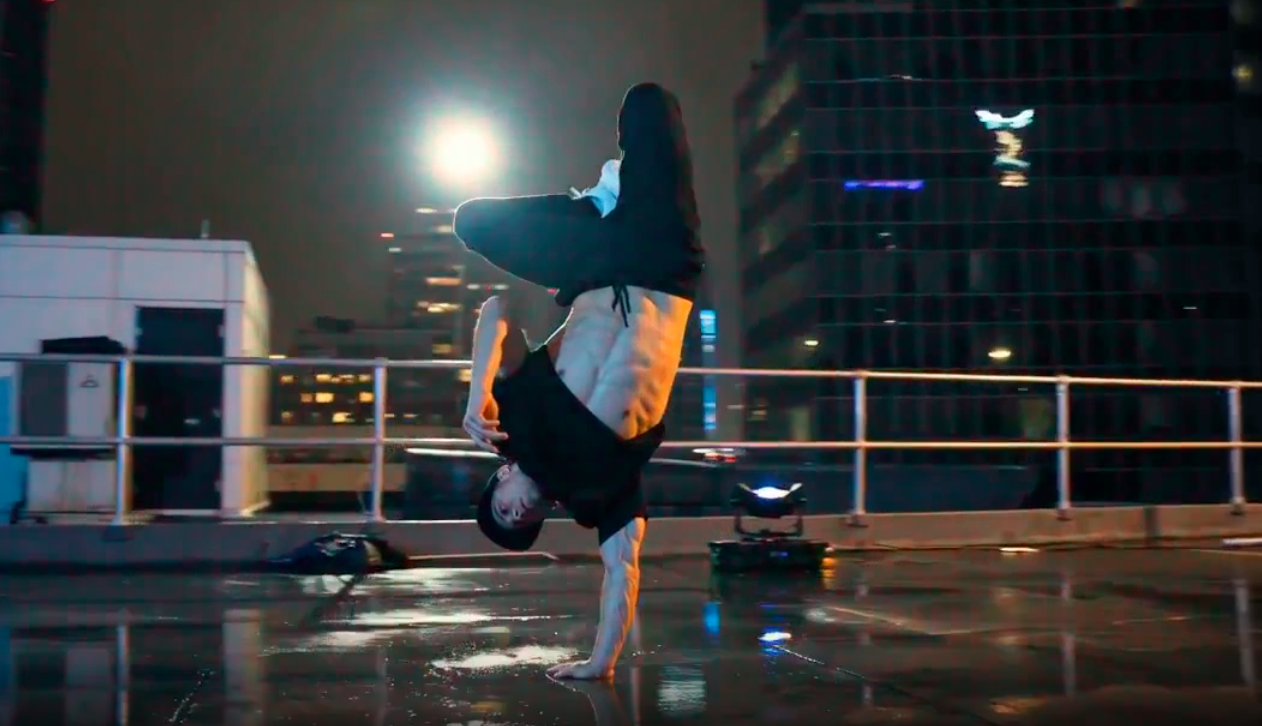
- Movimiento humano dinámico — breakdance en una azotea de noche (anatomía, desenfoque de movimiento, iluminación de neón)
- Expresión facial e iluminación — una anciana descubriendo un libro mágico (microexpresiones, luz volumétrica)
Metodología: Cada prompt se envió literalmente a ambas API. Sin selección interesada: usamos la primera generación de cada modelo. Los vídeos duran 15 segundos y están sin editar. La puntuación se basa en seis dimensiones: calidad de imagen, fidelidad al prompt, realismo físico/anatómico, iluminación, fluidez del movimiento y riqueza de detalle.
Por qué esto importa: Si estás creando un producto sobre una API de vídeo con IA, necesitas saber qué modelo se adapta mejor a tu caso de uso. Las especificaciones no te dirán que la anatomía humana de Sora 2 se descompone al pausar, ni que los 60fps de Seedance hacen que las escenas en cámara lenta se vean notablemente más fluidas.
Todos los artículos "Seedance vs Sora" que encontramos se basan en comparativas de listas de características o en ejemplos sueltos escogidos a conveniencia. Ninguno usa prompts idénticos y controlados con una puntuación sistemática. Ese es el vacío que llena esta prueba.
Lo que no probamos: En esta ronda no evaluamos la calidad de los rótulos de texto, las narrativas multiescena ni la precisión de la sincronización de audio. Eso merece sus propias pruebas dedicadas. También nos limitamos al modo texto a vídeo: las comparativas de imagen a vídeo y vídeo a vídeo quedan planeadas para una continuación.
| Parámetro | Seedance 2.0 | Sora 2 |
|---|---|---|
| Resolución | Hasta 4K (480p–4K) | 1792×1024 (~1080p) |
| Frecuencia de fotogramas | 60fps | 30fps |
| Duración | 15s | 15s |
| Códec | H.264 | H.264 |
| Audio | AAC 44.1kHz estéreo | AAC 96kHz estéreo |
Seedance sacrifica resolución a cambio del doble de frecuencia de fotogramas. Sora ofrece unos 2,5× más píxeles por fotograma. Ambas decisiones tienen consecuencias reales según el tipo de contenido, como verás a continuación.
Un apunte rápido sobre el audio: ambos modelos generan audio sincronizado (diálogo, efectos de sonido, música), pero sus frecuencias de muestreo difieren. La salida de 96kHz de Sora supera la calidad de CD, mientras que los 44.1kHz de Seedance igualan el audio de CD estándar. En la práctica, la mayoría de las plataformas de distribución (YouTube, TikTok, Instagram) reducen el muestreo a 48kHz o menos, así que esta diferencia rara vez importa para la distribución final.
Prueba 1 — Física en cámara lenta (jarrón de porcelana)
Prompt:
A porcelain vase falls from a marble table in slow motion. Camera starts with a close-up of the vase wobbling on the edge, then follows it downward with a smooth tracking shot as it shatters on a stone floor. Fragments scatter in all directions. Dust particles float in warm afternoon sunlight streaming through a window. Shallow depth of field, 24fps cinematic look
Seedance 2.0
| Dimensión | Puntuación | Observaciones |
|---|---|---|
| Calidad de imagen | 8.5/10 | Casi cinematográfica. La textura de la porcelana blanquiazul es nítida y el veteado del mármol resulta realista |
| Fidelidad al prompt | 7.5/10 | Jarrón, mesa de mármol, luz cálida, profundidad de campo reducida: todo está presente. Faltan las partículas de polvo |
| Realismo físico | 7.0/10 | La trayectoria de la caída es razonable, pero los fragmentos se agrupan demasiado. La falta de desenfoque de movimiento da una sensación "flotante" |
| Iluminación | 9.0/10 | La calidez vespertina de la ventana es coherente. Los reflejos especulares sobre el esmalte son precisos |
Lo más destacado: El bokeh y el renderizado de la luz cálida se sienten genuinamente cinematográficos. A 60fps, la caída en cámara lenta es de una suavidad exquisita: puedes seguir cada fragmento fotograma a fotograma sin ningún tirón. El esmalte de porcelana blanquiazul capta la luz de la tarde exactamente como lo hace el celadón real, con suaves reflejos especulares que se desplazan de forma natural a medida que el jarrón gira durante su caída.
La ejecución de la profundidad de campo reducida merece una mención especial. Los elementos del fondo se desenfocan con un degradado natural, no con la máscara de bordes duros que se ve en implementaciones más baratas. El ribete dorado de la mesa de mármol se mantiene nítido en primer plano mientras la habitación del fondo se desvanece de forma convincente.
Punto débil: Los fragmentos no se dispersan lo suficiente para el impacto contra un suelo de piedra dura. La porcelana real, al golpear la piedra a esa velocidad, lanzaría esquirlas a varios metros en todas direcciones; aquí se agrupan en un radio muy reducido. No hay polvo ni cerámica pulverizada visibles, algo que el prompt pedía específicamente. Al jarrón que cae también le falta desenfoque de movimiento, lo que genera una ligera cualidad "flotante" en los fotogramas en el aire.
Sora 2
| Dimensión | Puntuación | Observaciones |
|---|---|---|
| Calidad de imagen | 9.0/10 | La mayor resolución revela más detalle. La sección transversal de la cerámica rota (el cuerpo gris bajo el esmalte) es impresionante |
| Fidelidad al prompt | 7.5/10 | Los elementos principales están presentes. También faltan las partículas de polvo |
| Realismo físico | 8.0/10 | La mecánica de fractura es más convincente: el grosor desigual y los bordes de rotura irregulares se ajustan al comportamiento de la fractura frágil |
| Iluminación | 9.0/10 | Luz cálida desde la derecha. Diferenciación correcta entre la cerámica brillante y las superficies de piedra mate |
Lo más destacado: El detalle de la fractura es superior. Puedes ver el cuerpo cerámico gris (el bizcocho) bajo el esmalte en los puntos de rotura, un detalle sutil pero físicamente preciso que la mayoría de los renders 3D ni siquiera intentan. Que el cuello permanezca intacto mientras el cuerpo se hace añicos coincide con la distribución real de tensiones en la cerámica: el cuello es la parte más gruesa y estructuralmente más reforzada de un jarrón.
Los bordes de los fragmentos muestran patrones de fractura concoidal irregulares, coherentes con el fallo de un material frágil. Algunas piezas tienen bordes finos donde el esmalte se desprendió del cuerpo, otras muestran secciones transversales más gruesas. Este nivel de variación en la fractura es lo que separa lo "convincente" de lo "obviamente generado por ordenador".
Punto débil: A pesar de la física de fractura superior, algunos fragmentos aún presentan una ligera cualidad de "suspensión": se desaceleran demasiado rápido tras el impacto en lugar de rebotar y deslizarse por la piedra. Las partículas de polvo están ausentes, igual que en Seedance. El número de fragmentos también es menor de lo esperado para un jarrón de este tamaño al chocar contra una superficie dura.
Veredicto de la Prueba 1
Sora 2 gana en detalle de fractura y resolución bruta. El mayor recuento de píxeles y una física de rotura más convincente le dan una ventaja clara en contenido estático o de primer plano.
Seedance 2.0 gana en suavidad del movimiento. Los 60fps hacen que la caída en cámara lenta se vea visualmente más fluida. Si tu caso de uso es vídeo real en cámara lenta (anuncios, demos de producto), esa frecuencia de fotogramas importa.
Ambos modelos no lograron generar partículas de polvo flotando en la luz del sol, una limitación compartida por la generación de vídeo con IA actual. Los efectos de partículas volumétricas (polvo, humo, niebla) siguen siendo un punto débil en todos los modelos de vídeo basados en difusión, probablemente porque los datos de entrenamiento rara vez aíslan estos sutiles elementos atmosféricos.
Resumen de puntuaciones de la Prueba 1:
| Modelo | Calidad de imagen | Fidelidad al prompt | Física | Iluminación | Media |
|---|---|---|---|---|---|
| Seedance 2.0 | 8.5 | 7.5 | 7.0 | 9.0 | 8.0 |
| Sora 2 | 9.0 | 7.5 | 8.0 | 9.0 | 8.4 |
Sora 2 se lleva esta ronda por un margen estrecho, impulsado por una física de fractura y una resolución superiores. Pero si tu caso de uso prioriza una reproducción fluida en cámara lenta por encima del detalle fotograma a fotograma, la ventaja de los 60fps inclina la balanza de nuevo hacia Seedance.
Prueba 2 — Movimiento humano dinámico (breakdance en azotea)
Prompt:
A street dancer performs an explosive breakdance routine on a rain-soaked city rooftop at night. Neon lights from surrounding buildings reflect off the wet surface. Camera circles the dancer in a dynamic 360-degree orbit. The dancer transitions from a power move into a freeze pose. Dramatic rim lighting, cinematic color grading with teal and orange tones
Seedance 2.0
| Dimensión | Puntuación | Observaciones |
|---|---|---|
| Calidad de imagen | 9.0/10 | Renderizado nocturno impresionante. Los reflejos de neón sobre las superficies mojadas son casi fotográficos |
| Precisión anatómica | 8.5/10 | Las poses de suelo de b-boy son reconocibles. Las líneas de fuerza muñeca-antebrazo-hombro se alinean correctamente |
| Dinámica del movimiento | 9.0/10 | La dirección del desenfoque de movimiento coincide con el movimiento. El centro de gravedad bajo encaja con la mecánica del breakdance. Los 60fps mantienen fluidas las transiciones rápidas |
| Iluminación y ambiente | 9.5/10 | Reflejos de neón casi perfectos sobre el suelo mojado. La luz de contorno y la silueta a contraluz crean un dramatismo cinematográfico |
Lo más destacado: Aquí es donde Seedance 2.0 realmente brilla. La gradación de color turquesa y naranja está ejecutada con precisión. Los reflejos de neón sobre la azotea empapada por la lluvia son impresionantes: los colores complementarios rojo y cian se proyectan de forma natural sobre la superficie mojada. El ambiente es lo bastante envolvente como para un videoclip profesional.
La ventaja de los 60fps es decisiva aquí. Los barridos rápidos de brazos, los power moves y las transiciones se ven fluidos en lugar de entrecortados. La ropa tiene peso y cae correctamente durante el movimiento: la tela de la sudadera se estira y se arruga en los hombros de un modo que sugiere una física textil real.
La gradación de color merece un vistazo más atento. El turquesa y el naranja son colores complementarios, y el prompt pedía específicamente esta combinación. Seedance no se limitó a teñir la imagen: colocó fuentes de neón naranja cálido detrás del bailarín (creando luz de contorno) y fuentes cian frías por delante, y luego dejó que la superficie mojada de la azotea mezclara ambos colores en los reflejos. Así es como un director de fotografía iluminaría de verdad esta escena.
El comportamiento del agua sobre la azotea también resulta convincente. La superficie tiene una capa fina y uniforme de agua que refleja el paisaje urbano de arriba. Cuando el bailarín se mueve, se aprecian sutiles patrones de perturbación que se irradian hacia fuera desde los puntos de contacto. No es una simulación de fluidos perfecta, pero se lee al instante como "suelo mojado".
Sora 2
| Dimensión | Puntuación | Observaciones |
|---|---|---|
| Calidad de imagen | 8.0/10 | Estética ciberpunk marcada, fondo urbano detallado. Pero tiene un "barniz de IA": todo se ve gradado con demasiada perfección |
| Precisión anatómica | 6.5/10 | ⚠️ Punto débil grave. El contacto de la mano con el suelo es borroso, los dedos son indistinguibles. El torso se estrecha de forma antinatural durante el pino. Los bordes de los pies/zapatos tienen una cualidad "derretida" |
| Dinámica del movimiento | 8.0/10 | Los efectos de salpicadura de agua son buenos, el impulso rotacional resulta creíble. Pero algunas gotas de agua parecen más ruido que gotas reales |
| Iluminación y ambiente | 8.5/10 | El contraste de doble fuente (contraluz naranja cálido y frontal cian frío) está bien resuelto. Pero la inmersión se queda por debajo de la de Seedance |
El problema anatómico es serio. Durante las poses de freeze y los pinos, las manos del bailarín se funden con la superficie de contacto del suelo: los dedos individuales son indistinguibles. El torso se vuelve tubular en lugar de mostrar una estructura realista de caja torácica a pelvis, perdiendo la variación natural de anchura entre pecho, cintura y caderas. Un segundo brazo desaparece por completo en algunos fotogramas, creando un hueco anatómico que rompe la ilusión.
Los bordes de los pies y los zapatos presentan una cualidad "derretida", en la que el límite entre el calzado y el aire se vuelve blando e indefinido. Este es un modo de fallo común en los modelos de vídeo basados en difusión cuando las extremidades se superponen o entran en contacto con superficies.
Se ve bien a velocidad normal. Pausa cualquier fotograma durante una pose de freeze y todo se desmorona. Para contenido que solo se verá como vídeo (redes sociales, anuncios), esto puede ser aceptable. Para cualquier cosa que pueda capturarse en pantalla, usarse como miniatura o analizarse, es un factor descalificante.
Veredicto de la Prueba 2
Seedance 2.0 gana de forma contundente. La brecha de precisión anatómica (8.5 vs 6.5) es la mayor diferencia en una sola dimensión de las tres pruebas. Para cualquier contenido con movimiento humano dinámico (danza, deportes, secuencias de acción), Seedance es hoy por hoy la opción más fiable.
Los 60fps refuerzan esta ventaja. A 30fps, los movimientos rápidos de breakdance producen un tirón perceptible. A 60fps, son fluidos.
Si estás creando un producto que genera contenido de movimiento humano a través de una API de vídeo con IA, este resultado debería influir de forma decisiva en tu elección de modelo.
Resumen de puntuaciones de la Prueba 2:
| Modelo | Calidad de imagen | Anatomía | Movimiento | Iluminación | Media |
|---|---|---|---|---|---|
| Seedance 2.0 | 9.0 | 8.5 | 9.0 | 9.5 | 9.0 |
| Sora 2 | 8.0 | 6.5 | 8.0 | 8.5 | 7.75 |
Esta es la mayor brecha de las tres pruebas. Seedance supera a Sora en absolutamente todas las dimensiones. La diferencia en precisión anatómica (8.5 vs 6.5) por sí sola debería descalificar a Sora en aplicaciones de movimiento humano donde importa la calidad a nivel de fotograma.
Para desarrolladores que trabajan en apps de fitness, plataformas de contenido de danza, resúmenes deportivos o cualquier producto con movimiento humano dinámico, esta prueba aporta pruebas sólidas para optar por Seedance 2.0 por defecto.
Prueba 3 — Expresión facial e iluminación (anciana en la librería)
Prompt:
A wise elderly woman with silver hair and round spectacles sits in a cluttered antique bookshop. She picks up a leather-bound book, opens it, and her expression shifts from curiosity to wonder as golden light emanates from the pages. The light illuminates her face and the surrounding book spines. Camera slowly pushes in from medium shot to close-up on her face. Warm tungsten lighting mixed with the magical golden glow.
Seedance 2.0
| Dimensión | Puntuación | Observaciones |
|---|---|---|
| Calidad facial | 8.5/10 | Las arrugas, las patas de gallo y los surcos nasolabiales se renderizan con naturalidad. Las gafas redondas se asientan correctamente sobre el puente de la nariz, con una sutil refracción |
| Transición de la expresión | 8.5/10 | La concentración serena → asombro se transmite con ojos que se agrandan, cejas ligeramente elevadas y labios que se entreabren. Microexpresiones por capas |
| Detalle del entorno | 9.0/10 | ⭐ La escena más rica de todas las pruebas. Lomos de libros de cuero del suelo al techo, escalera de biblioteca con ruedas, lámpara de escritorio tipo globo, tinteros, instrumentos de latón |
| Efecto de luz dorada | 9.0/10 | La luz dorada volumétrica se irradia hacia arriba desde las páginas. Ilumina correctamente la barbilla, las mejillas y la zona bajo la nariz. Se funde con naturalidad con el tungsteno cálido existente |
Lo más destacado: El entorno de la librería es extraordinario. Se siente como un espacio real y habitado: libros apilados caóticamente en el suelo y las mesas, objetos de época dispersos de forma natural. La escena evoca una librería dickensiana o un estudio de Oxford. Seedance construyó todo el mundo alrededor del personaje, no solo el personaje.
La luz dorada tiene volumen real. Interactúa correctamente con los bordes del cabello plateado y los pliegues de la tela, creando reflejos de contorno naturales. La luz no se limita a iluminar el rostro: proyecta sutiles reflejos cálidos sobre los lomos de los libros más cercanos y crea un suave resplandor en la superficie de la mesa. Este tipo de interacción de la luz con múltiples superficies es lo que da credibilidad a la cualidad "mágica" de la escena.
La transición de la expresión merece un examen detallado. No es un simple corte de "neutral" a "asombrada". Puedes ver una secuencia: concentración al abrir el libro → ligera confusión cuando aparece la luz por primera vez → reconocimiento → asombro genuino con los labios ligeramente entreabiertos y los ojos muy abiertos. Esta estratificación de microexpresiones es lo que separa los rostros generados por IA que se sienten "vivos" de los que se sienten "posados".
Sora 2
| Dimensión | Puntuación | Observaciones |
|---|---|---|
| Calidad facial | 7.5/10 | Aceptable pero "cerúlea". La frente y las mejillas están demasiado lisas. El envejecimiento es inconsistente: algunas zonas aparentan más de 70 años, otras 50 |
| Transición de la expresión | 8.0/10 | El asombro se transmite (la boca se abre, los ojos se agrandan). Pero la expresividad de los párpados y las cejas es menos matizada que en Seedance |
| Detalle del entorno | 8.5/10 | Buen ambiente con la lámpara de banquero verde. La profundidad de campo está bien resuelta. Pero tiene menos capas: faltan la escalera, los libros en el suelo y los objetos del escritorio |
| Efecto de luz dorada | 9.0/10 | La dirección de la iluminación hacia arriba es correcta. Los efectos de partículas doradas añaden un toque mágico. Buena dispersión subsuperficial en la piel |
El problema de la "cara de cera": Sora 2 renderiza una piel anciana que es a la vez arrugada y extrañamente lisa. A la frente le falta la densidad de textura que esperarías: las manchas de la edad, la visibilidad de los poros y la ligera translucidez de la piel fina de la vejez están todas atenuadas. Algunas zonas del rostro aparentan más de 70 años (alrededor de los ojos), mientras que otras se acercan más a los 50 (frente, mejillas). Esta inconsistencia rompe el valle inquietante en los primeros planos, que es exactamente el tipo de plano que pide este prompt.
El entorno de la librería, aunque atmosférico, tiene menos capas que la versión de Seedance. Cuenta con una lámpara de banquero verde y una profundidad de campo bien resuelta, pero carece de la escalera con ruedas, las pilas de libros a nivel del suelo, los instrumentos de latón, los tinteros y otros objetos de época que hacen que la versión de Seedance se sienta como un espacio real y no como un decorado.
Veredicto de la Prueba 3
Seedance 2.0 gana en detalle facial y riqueza del entorno. Para contenido centrado en personajes (narrativa, anuncios con historia, primeros planos emotivos), Seedance produce rostros más creíbles y mundos más ricos.
Ambos modelos clavan el efecto de luz dorada mágica. En eso empatan.
Resumen de puntuaciones de la Prueba 3:
| Modelo | Calidad facial | Expresión | Entorno | Efecto de luz | Media |
|---|---|---|---|---|---|
| Seedance 2.0 | 8.5 | 8.5 | 9.0 | 9.0 | 8.75 |
| Sora 2 | 7.5 | 8.0 | 8.5 | 9.0 | 8.25 |
Seedance gana esta ronda gracias a un envejecimiento facial más convincente y un entorno más rico. El problema de la "cara de cera" de Sora es especialmente problemático en primeros planos, que son justo lo que exige este prompt con su acercamiento de cámara de "plano medio a primer plano".
Para contenido narrativo, cortometrajes, anuncios centrados en personajes o cualquier aplicación en la que importe la autenticidad emocional, el renderizado facial de Seedance supone una ventaja significativa.
Para saber más sobre cómo obtener los mejores resultados con los prompts de Seedance, consulta nuestra guía de ingeniería de prompts.
Comparativa de especificaciones técnicas
Este es el desglose técnico completo basado en nuestro análisis real de los resultados:
| Especificación | Seedance 2.0 | Sora 2 |
|---|---|---|
| Resolución | Hasta 4K (480p–4K) | 1792×1024 (~1080p) |
| Píxeles por fotograma | 921.600 | 1.835.008 (~2×) |
| Frecuencia de fotogramas | 60fps | 30fps |
| Fotogramas totales (15s) | 900 | 450 |
| Rango de duración | 4–15s | Hasta 20s |
| Códec | H.264 | H.264 |
| Audio | AAC 44.1kHz estéreo | AAC 96kHz estéreo |
| Generación de audio | Integrada (voz, efectos, música) | Integrada |
| Relaciones de aspecto | 16:9, 9:16, 1:1, 4:3, 3:4, 21:9 | 16:9, 9:16, 1:1 |
| Modos de entrada | Texto, imagen, vídeo, audio → vídeo | Texto, imagen → vídeo |
| Máx. imágenes de entrada | 9 | 1 |
| Máx. vídeos de entrada | 3 | N/D |
| Sistema de referencias @ | ✅ (etiquetas multimodales) | ❌ |
Conclusiones clave:
- Los 60fps de Seedance producen 2× más fotogramas en la misma duración, por eso el movimiento se ve más fluido
- La mayor resolución de Sora es mejor para contenido que se va a pausar o capturar en pantalla
- El sistema multimodal de referencias @ de Seedance permite combinar entradas de imagen, vídeo y audio en un solo prompt, una capacidad que Sora 2 no ofrece
- Seedance 2.0 a través de EvoLink admite actualmente salida en 480p y 720p; nuestras pruebas usaron el 720p predeterminado
Acceso a la API y ejemplos de código
Ambos modelos son accesibles mediante API REST. Así se llama a cada uno.
Seedance 2.0 mediante la API de EvoLink
EvoLink ofrece acceso API unificado a Seedance 2.0 con procesamiento asíncrono de tareas. Aquí tienes un ejemplo completo en Python:
import requests
import time

API_KEY = "your-evolink-api-key"  # Get one at evolink.ai/dashboard/keys
BASE_URL = "https://api.evolink.ai/v1"

def generate_video(prompt: str, duration: int = 15, quality: str = "720p") -> str:
    """Generate a video with Seedance 2.0 and return the video URL."""

    # Step 1: Submit generation task
    response = requests.post(
        f"{BASE_URL}/video/generations",
        headers={
            "Authorization": f"Bearer {API_KEY}",
            "Content-Type": "application/json",
        },
        json={
            "model": "seedance-2.0-text-to-video",
            "prompt": prompt,
            "duration": duration,
            "quality": quality,
            "aspect_ratio": "16:9",
            "generate_audio": True,
        },
    )
    response.raise_for_status()
    task_id = response.json()["task_id"]
    print(f"Task submitted: {task_id}")

    # Step 2: Poll for completion
    while True:
        status_resp = requests.get(
            f"{BASE_URL}/tasks/{task_id}",
            headers={"Authorization": f"Bearer {API_KEY}"},
        )
        status_resp.raise_for_status()
        task = status_resp.json()

        if task["status"] == "completed":
            video_url = task["output"]["video_url"]
            print(f"Done! Video URL (valid 24h): {video_url}")
            return video_url
        elif task["status"] == "failed":
            raise RuntimeError(f"Task failed: {task.get('error', 'Unknown error')}")

        print(f"Status: {task['status']}... waiting 5s")
        time.sleep(5)


# Run the porcelain vase test
video = generate_video(
    prompt=(
        "A porcelain vase falls from a marble table in slow motion. "
        "Camera starts with a close-up of the vase wobbling on the edge, "
        "then follows it downward with a smooth tracking shot as it shatters "
        "on a stone floor. Fragments scatter in all directions. "
        "Dust particles float in warm afternoon sunlight streaming through a window. "
        "Shallow depth of field, 24fps cinematic look"
    ),
    duration=15,
    quality="720p",
)
Ejemplo de entrada multimodal — usando una imagen como primer fotograma:
response = requests.post(
    f"{BASE_URL}/video/generations",
    headers={
        "Authorization": f"Bearer {API_KEY}",
        "Content-Type": "application/json",
    },
    json={
        "model": "seedance-2.0-image-to-video",
        "prompt": "image 1 as first frame, the vase begins to wobble and fall",
        "image_urls": ["https://example.com/porcelain-vase.jpg"],
        "duration": 10,
        "quality": "720p",
    },
)
Para flujos de trabajo multimodales avanzados que combinan referencias de imagen, vídeo y audio mediante seedance-2.0-reference-to-video, consulta nuestra guía de referencias multimodales.
Sora 2 mediante la API de OpenAI
from openai import OpenAI

client = OpenAI()  # Uses OPENAI_API_KEY env var

# Submit video generation
response = client.responses.create(
    model="sora",
    input=[{
        "type": "text",
        "text": (
            "A porcelain vase falls from a marble table in slow motion. "
            "Camera starts with a close-up of the vase wobbling on the edge, "
            "then follows it downward with a smooth tracking shot as it shatters "
            "on a stone floor. Fragments scatter in all directions. "
            "Dust particles float in warm afternoon sunlight streaming through a window. "
            "Shallow depth of field, 24fps cinematic look"
        ),
    }],
    quality="720p",
    duration=15,
)

# Get the video URL from the response
video_url = response.output[0].url
print(f"Video URL: {video_url}")
Ambas API siguen un patrón similar: envías un prompt y recibes un vídeo. Pero las diferencias van más allá del endpoint.
Asíncrono vs síncrono: La API de EvoLink para Seedance es asíncrona: envías una tarea y consultas su estado hasta que se completa (o usas una devolución de llamada mediante webhook). Sora, a través de OpenAI, devuelve el resultado directamente. Para pipelines de producción que procesan muchos vídeos, el patrón asíncrono suele ser preferible, ya que puedes enviar lotes sin bloqueo.
Flexibilidad de entrada: El sistema de referencias @ de Seedance te permite combinar hasta 9 imágenes, 3 vídeos y 3 pistas de audio en un solo prompt. Puedes indicar "imagen 1 como primer fotograma, replica el movimiento de cámara del vídeo 1, sincroniza con el ritmo del audio 1". Sora 2 admite entrada de imagen, pero no ofrece este tipo de composición multimodal.
Opciones de salida: Seedance te permite activar o desactivar la generación de audio en cada solicitud, elegir entre seis relaciones de aspecto (incluido el 21:9 ultrapanorámico) y seleccionar resolución de 480p o 720p. Sora ofrece menos opciones de configuración de salida, pero entrega una resolución predeterminada mayor.
Caducidad de la URL del vídeo: Las URL de vídeo de EvoLink caducan a las 24 horas: descárgalas o guárdalas en caché de inmediato. Planifica tu pipeline en consecuencia.
Ejecuta esta comparativa tú mismo. Consigue tu API key de EvoLink y prueba con tus propios prompts. El código de arriba funciona sin configuración adicional.
Desglose de precios
Coste por vídeo de 15 segundos con la configuración predeterminada, a fecha de febrero de 2026:
Sora 2 (mediante OpenAI / EvoLink)
| Resolución | Duración | Precio por vídeo |
|---|---|---|
| 720p | 5s | $0.50 |
| 720p | 10s | $1.00 |
| 720p | 12s | $1.20 |
| 720p | 20s | $2.00 |
Esto equivale a $0.10/segundo en el nivel estándar de 720p. Nuestros vídeos de prueba de 15 segundos costaron aproximadamente $1.50 cada uno en Sora 2.
Fuente: seedance2api.app/pricing, a fecha de febrero de 2026
Seedance 2.0 (mediante EvoLink)
Precios próximamente. Los precios de Seedance 2.0 se anunciarán en su lanzamiento. El modelo admite salida en 480p y 720p con generación de audio opcional.
Para ponerlo en contexto, así se compara con otros modelos del mercado:
| Modelo | Coste por segundo | Coste estimado por vídeo | Resolución máxima |
|---|---|---|---|
| Seedance 2.0 | Próximamente | Próximamente | 720p |
| Sora 2 | $0.10 (720p) | $1.20 / 12s | 720p (Std) / 1080p (Pro) |
| Kling 3.0 | $0.112 (1080p) | $1.12 / 10s | 4K |
| Veo 3.1 | $0.40 (1080p) | $3.20 / 8s | 1080p |
Fuente: seedance2api.app/pricing
Consigue acceso anticipado para asegurarte el precio de lanzamiento en cuanto se anuncie.
Consideraciones de coste
- Resolución y frecuencia de fotogramas: Seedance 2.0 alcanza ahora 4K a 60fps, frente a los 1080p / 30fps de Sora 2; Seedance lidera tanto en resolución como en fluidez.
- Audio incluido: Ambos modelos pueden generar audio sincronizado. Ten esto en cuenta en tu coste por vídeo si de otro modo necesitarías generar el audio por separado.
- El volumen importa: Para cargas de trabajo de producción que generan cientos de vídeos, incluso pequeñas diferencias por segundo se acumulan. Prueba ambos con tus propios prompts antes de decidirte.
- Propiedad intelectual: Los resultados de Seedance 2.0 incluyen derechos de uso comercial; verifica los términos más recientes para tu caso de uso.
- Costes ocultos: No olvides el ancho de banda, el almacenamiento y el posprocesamiento. La mayor resolución de Sora implica archivos más grandes (~2× por fotograma). Si sirves estos vídeos a usuarios finales, los costes de CDN escalan con el tamaño del archivo. Los 60fps de Seedance implican más fotogramas por segundo, pero a menor resolución, lo que resulta en tamaños de archivo comparables.
- Pruebas en el nivel gratuito: Antes de decidirte por una u otra API para producción, ejecuta tus propios prompts en ambas. Los resultados de estos tres prompts pueden no ser extrapolables a tu dominio de contenido concreto. EvoLink ofrece una API key gratuita para empezar a probar Seedance.
Cuándo elegir cada uno
Elegir un modelo no va de "cuál es mejor", sino de hacer coincidir las capacidades con tu caso de uso concreto.
Elige Seedance 2.0 cuando:
- Contenido humano dinámico — danza, deportes, acción, fitness. La brecha de precisión anatómica (8.5 vs 6.5 en nuestra prueba) es significativa.
- Contenido en cámara lenta o de alto movimiento — los 60fps marcan una diferencia visible en anuncios, demos de producto y secuencias cinematográficas.
- Primeros planos de personajes — el detalle facial y el renderizado de microexpresiones son más convincentes, especialmente en rostros ancianos o muy detallados.
- Flujos de trabajo multimodales — necesitas combinar imágenes, vídeos y audio de referencia en una sola generación mediante el sistema de referencias @.
- Escenas con entornos ricos — Seedance construye entornos más detallados y "habitados", con más objetos y capas de profundidad.
- Relaciones de aspecto flexibles — los formatos 21:9 ultrapanorámico y 4:3 no están disponibles en Sora.
Elige Sora 2 cuando:
- Resolución máxima — Seedance 2.0 ahora genera hasta 4K, superando el techo de 1080p de Sora 2, una ventaja cuando tu resultado se muestra en grande o se pausa con frecuencia.
- Física de destrucción de objetos — el detalle de fractura en objetos que se rompen es más convincente (grosor desigual, capas internas de material visibles).
- Escenas estáticas o de movimiento lento — cuando la ventaja de los 60fps no aplica, la ventaja de resolución de Sora es incontestable.
- Integración existente con OpenAI — si tu stack ya usa el SDK de OpenAI, añadir Sora requiere una infraestructura nueva mínima.
El enfoque híbrido
Para pipelines de producción, considera usar ambos. Genera el contenido de personajes/movimiento con Seedance 2.0 y los planos generales de objetos/entornos con Sora 2. Ambas API siguen patrones REST estándar, lo que facilita enrutar los prompts según el tipo de contenido.
Una heurística de enrutamiento sencilla basada en los resultados de nuestras pruebas:
def choose_model(prompt: str, needs_pause_quality: bool = False) -> str:
    """Route to the better model based on content type."""
    motion_keywords = ["dance", "run", "fight", "sport", "action", "slow motion", "jump"]
    face_keywords = ["close-up", "expression", "portrait", "face", "emotion", "elderly"]

    prompt_lower = prompt.lower()

    if any(kw in prompt_lower for kw in motion_keywords):
        return "seedance-2.0"  # Better anatomy + 60fps
    if any(kw in prompt_lower for kw in face_keywords):
        return "seedance-2.0"  # Better facial detail
    if needs_pause_quality:
        return "sora"          # Higher resolution for screenshots
    return "seedance-2.0"      # Default to higher overall score
Esto es deliberadamente simplista: tu enrutador de producción usaría una clasificación más sofisticada. Pero el principio se mantiene: haz coincidir el modelo con el requisito principal del contenido.
¿Y los demás modelos?
Esta comparativa se centró exclusivamente en Seedance 2.0 y Sora 2 porque representan el nivel actual de calidad de producción de las API de vídeo con IA. Otros modelos como Runway Gen-3, Pika y Kling son alternativas viables, pero no se incluyeron en esta prueba concreta. Es posible que abordemos comparativas más amplias en futuros artículos.
Preguntas frecuentes
¿Es Seedance 2.0 mejor que Sora 2?
En nuestras pruebas, Seedance 2.0 obtuvo una puntuación general más alta (8.5 vs 8.0), con puntos fuertes destacados en precisión de la anatomía humana, fluidez del movimiento (60fps), iluminación y detalle facial. Sora 2 gana en resolución y en la física de fractura de objetos. Ninguno es universalmente "mejor": depende de tu tipo de contenido.
¿Puedo acceder a Seedance 2.0 a través de una API?
Sí. Seedance 2.0 está disponible a través de la API de EvoLink con endpoints REST estándar. Admite generación de texto a vídeo, imagen a vídeo y vídeo a vídeo. Consigue una API key aquí.
¿Cuál es la diferencia real de calidad de salida a 720p?
A la misma resolución de 720p, Seedance entrega 60fps mientras que Sora entrega 30fps. Esto significa que Seedance produce el doble de fotogramas por segundo, lo que se traduce en un movimiento notablemente más fluido, sobre todo en escenas con movimiento rápido. Para contenido estático, la calidad visual es comparable a la misma resolución.
¿Ambos modelos generan audio?
Sí. Tanto Seedance 2.0 como Sora 2 pueden generar audio sincronizado, incluyendo voz, efectos de sonido y música de fondo. Seedance te permite controlar la generación de audio con un parámetro generate_audio y puede alinear la salida con pistas de audio de referencia pasándolas en el campo audio_urls de seedance-2.0-reference-to-video.
¿Qué modelo es más rentable para uso en producción?
Depende del volumen y del tipo de contenido. El nivel estándar de Sora 2 cuesta $0.10/segundo para 720p: un vídeo de 15 segundos ronda los $1.50. Los precios de Seedance 2.0 aún no se han anunciado (llegarán en el lanzamiento). Consulta seedance2api.app/pricing para lo más reciente. Si tu contenido tiene mucho movimiento, los 60fps de Seedance a 720p pueden ofrecer mejor calidad percibida por dólar que los 30fps de Sora a la misma resolución.
¿Puedo usar los resultados de Seedance 2.0 con fines comerciales?
Los resultados de Seedance 2.0 a través de la API de EvoLink incluyen derechos de uso comercial, pero los términos varían. Lee nuestra guía detallada de derechos de autor y licencias para el desglose completo de lo permitido, incluida la monetización en YouTube, el uso en trabajos para clientes y los derechos de redistribución. Verifica siempre los términos más recientes antes de desplegar en producción.
Puntuaciones finales
| Dimensión | Seedance 2.0 | Sora 2 |
|---|---|---|
| Calidad de imagen | 8.7 | 8.3 |
| Fidelidad al prompt | 8.3 | 7.8 |
| Realismo físico/anatómico | 8.0 | 7.3 |
| Iluminación | 9.2 | 8.8 |
| Fluidez del movimiento | 8.5 | 7.8 |
| General | 8.5 | 8.0 |
Ambos modelos representan lo más avanzado en generación de vídeo con IA a principios de 2026. Ninguno consigue generar partículas de polvo flotando. Ninguno produce manos perfectas siempre. Pero para el uso en producción a través de API, estos resultados deberían guiar tu elección de modelo en función de lo que realmente estés construyendo.
Para lo más reciente sobre las capacidades de los modelos Seedance, consulta la página oficial de investigación de ByteDance Seed. Para la documentación y las novedades de Sora, consulta la documentación oficial de la plataforma de OpenAI.
Empieza a construir con Seedance 2.0. Consigue tu API key gratuita de EvoLink y genera tu primer vídeo en menos de un minuto.
Convierte las guías en flujos API
Usa estos prompts y tutoriales para evaluar flujos API cuando estés listo para crear video en producción.